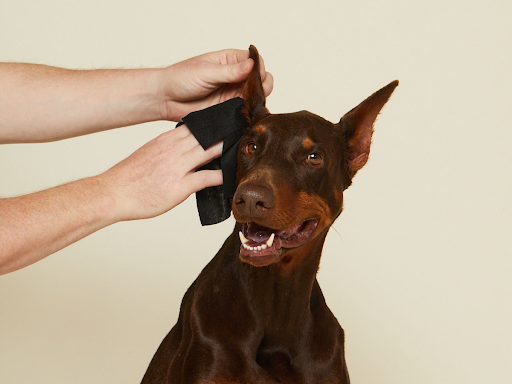
Your dog's ears do a lot. They pick up sounds from two rooms away, flatten when they are nervous, perk up when they hear the treat bag, and somehow manage to collect an impressive amount of dirt, wax, and moisture in the process. For most dog owners, ear care sits somewhere on the grooming checklist between nail trims and teeth cleaning; important, a little intimidating, and easy to skip when your dog seems fine.
The thing is, ear issues in dogs are more common than most people realize. According to the American Kennel Club, ear infections are one of the top reasons dogs visit the vet each year. And the factors that put a dog at risk are not random. Breed, ear shape, coat type, activity level, and yes, size, all of it plays a role in how vulnerable a dog's ears are and how much attention they need.
At Bowie Barker, we work with dogs of every shape, size, and ear type on a daily basis. We see the difference that consistent, appropriate ear care makes. This guide is here to give you the real picture: what healthy ears look like, what warning signs to watch for, and how to adjust your care routine based on your specific dog.
Why Ear Anatomy Makes All the Difference
Before jumping into routines, it helps to understand what you are actually dealing with. A dog's ear canal is shaped like an L, with a vertical section that drops down and a horizontal section that runs inward toward the eardrum. Unlike human ears, which are relatively straight, this L-shape makes it much easier for moisture, debris, and wax to accumulate without a clear path to drain.
Add a floppy ear flap on top of that, and you have reduced airflow, a warm environment, and trapped humidity, essentially ideal conditions for bacteria and yeast to grow. Breeds with upright, open ears have a natural ventilation advantage. Breeds with long, heavy ears or dense ear hair do not.
Size intersects with this in ways that matter. Smaller dogs tend to have proportionally narrower ear canals, which can make cleaning trickier and buildup happen faster. Larger dogs with big, open ears may seem low-maintenance, but can accumulate debris quickly simply due to the surface area involved. Medium-sized dogs with floppy ears sit squarely in the highest-risk category for chronic ear issues.
Understanding your dog's ear type is the starting point for everything else.
How Ear Care Differs for Small Dogs
Small dogs get a lot of credit for being low-maintenance, and in some ways, they are. But their ears are often anything but simple. Breeds like Chihuahuas, Shih Tzus, Maltese, Dachshunds, and Cavalier King Charles Spaniels are all prone to ear issues for slightly different reasons, and size tends to amplify the challenge.
Narrow ear canals are a common issue in smaller breeds. Less space means less airflow and more opportunity for wax and debris to compact. This is especially true in dogs with hair growing inside the ear canal, which acts like a net, catching everything that passes through. Left unmanaged, that hair can mat and create a near-complete blockage that invites infection.
Small dogs also tend to have more reactive skin overall. If your small dog already has food sensitivities, seasonal allergies, or sensitive skin, their ears will often be one of the first places you notice the effects. Redness, a faint yeasty smell, or frequent scratching at the ears after a change in diet or season are all signals worth paying attention to.
For small dogs, ear cleaning generally needs to happen every two to three weeks, or more frequently if your dog swims, spends time outdoors in dusty or weedy environments, or has a history of ear infections. Use a veterinarian-approved ear cleaning solution, apply it to a cotton ball rather than squirting directly into a very narrow canal, and always clean what you can see, never probe deeper than the visible part of the ear.
If your small dog is a regular at Bowie Barker, our groomers check the ears as part of every visit and can let you know if there is anything worth monitoring between appointments. Book your small dog's next grooming session here and let us take a look.
What Medium-Sized Dogs Need (and Why Floppy Ears Are a Different Game)
Medium dogs cover a wide range, from Cocker Spaniels and Beagles to Border Collies and Basset Hounds. What they share is that this size category contains some of the most ear-infection-prone breeds in existence. The Cocker Spaniel alone is famous for chronic ear issues, largely because of the combination of heavy ear flaps, hair inside the canal, and a temperament that loves being outdoors in wet grass.
Floppy-eared dogs of any medium size need ears that are treated almost like a separate maintenance task. The ear flap covers the canal and creates a sealed, humid environment after baths, rain, swims, or even a good run through wet grass. Moisture that gets in does not easily get out. That warmth and dampness is where yeast infections start, and they can become a recurring problem if the routine is not consistent.
The practical solution is threefold: regular cleaning on a schedule, thorough drying after any water exposure, and paying attention to hair growth inside the canal. For some breeds, a groomer will carefully remove excess hair from the ear canal to restore airflow. This is not a DIY task and should always be done by someone who knows what they are doing. Pulling ear hair incorrectly can cause microabrasions that become their own source of infection.
For medium dogs with floppy ears, cleaning every one to two weeks is typically the right frequency. After baths, gently fold the ear flap back and use a dry cotton ball to absorb any moisture before folding it back down. It takes thirty seconds and makes a meaningful difference.
How Large Dog Ear Care Works Differently
Large and giant breeds have their own set of considerations. Dogs like German Shepherds, Labrador Retrievers, Golden Retrievers, Standard Poodles, and Great Danes have big ear canals with more surface area, which means they can accumulate more debris, more wax, and more moisture than smaller dogs, even if each individual visit to the park seems harmless.
Labs and Goldens are among the most water-loving breeds, which also makes them among the most ear-infection-prone large dogs. Water gets into the ear canal during swimming, the L-shaped anatomy traps it, and if it stays warm and wet long enough, infection follows. This is not an occasional problem for active large dogs. It is something their owners manage on an ongoing basis.
The good news for many large breeds with upright ears, like German Shepherds and Siberian Huskies, is that their ear structure provides natural ventilation. These dogs still need regular inspection and occasional cleaning, but they are generally less susceptible to the moisture-driven infections that plague floppy-eared breeds.
For large dogs with active lifestyles or water exposure, drying the ears after every swim or bath is non-negotiable. A soft towel folded and gently pressed against the ear opening works well. Ear-drying solutions are also available through your vet and can help absorb residual moisture deeper in the canal. Routine cleaning every two to four weeks keeps wax buildup in check.
If your large dog is on a regular grooming schedule at Bowie Barker, we keep an eye on it. Our dog grooming membership plans are designed to make consistent care easy, with regular visits at a predictable cost, so your dog gets attention before problems develop rather than after.
What Does a Healthy Dog Ear Actually Look Like?
This is one of those questions that seems obvious until you are actually looking at your dog's ear and second-guessing yourself. A healthy ear should be pale pink on the inside, lightly waxy at most, and should not have any noticeable odor. Some light tan or yellowish wax is completely normal. It is the ear's natural self-cleaning mechanism.
What is not normal: a strong smell (particularly anything yeasty or sour), dark brown or black discharge, visible redness or swelling, or a dog that flinches when you touch the ear. Any of those signs mean it is time to call the vet rather than attempt a home cleaning, because cleaning an already infected ear without knowing what type of infection is present can make things worse.
It is also worth noting that not all ear issues are infections. Ear mites, foreign bodies (grass seeds are notorious for getting lodged in ear canals, especially in dogs that spend time in fields), and allergic reactions can all cause ear discomfort that looks similar to infection on the surface. Your vet can differentiate between these and recommend the right course of action.
How to Clean Your Dog's Ears at Home
Once you know your dog's ears are healthy, a regular cleaning routine is simple to maintain. Start with a veterinarian-approved ear cleaner, cotton balls or gauze pads, and your dog's favorite treats. Do not use cotton swabs inside the canal, hydrogen peroxide, or water on its own -- all of these can cause more irritation than they resolve.
Lift the ear flap gently and apply the cleaning solution as directed on the bottle. For most solutions, this means filling the canal until you can hear the liquid, then massaging the base of the ear for about twenty to thirty seconds. You will hear a wet, squelching sound, that is the solution breaking up debris. Let your dog shake their head (they will, and this is actually helpful), then use a cotton ball to wipe the visible parts of the canal and the inner surface of the ear flap.
Do not reach further than you can see. The goal is to clean the outer canal and remove loosened debris, not to reach the eardrum. If there is debris sitting deeper than you can comfortably access with a cotton ball, that is a job for a vet or an experienced groomer.
Making this a calm, positive experience for your dog from the beginning will pay off long-term. Short sessions, consistent rewards, and a predictable routine help your dog understand that ear cleaning is not a threat. If your dog is highly resistant or anxious around ear handling, professional grooming visits where they are handled by people they are comfortable with can help build that tolerance over time.
How Grooming Appointments Support Long-Term Ear Health
One of the underappreciated benefits of regular professional grooming is the second set of eyes it gives you on your dog's health. At Bowie Barker, our groomers are trained to notice changes in the ears, skin, coat, and paws that owners sometimes miss between visits -- not because owners are not paying attention, but because you see your dog every day, and gradual changes are easy to overlook.
A groomer who sees your dog every few weeks can catch the early stages of ear buildup, flag unusual odor or redness, and note whether a breed that needs ear hair management is due for attention. These observations are passed on to you so you can follow up with your vet when something warrants it.
Our full grooming services and self-serve wash options are built around the idea that every dog is different. Some dogs need the full service. Some owners prefer to do the bath themselves and have the grooming handled professionally. Either way, consistent visits create the kind of routine that makes ear problems easier to catch early and harder to let slide.
If you are not already on a regular schedule, booking your dog's next appointment at Bowie Barker is a good first step. Our team will take note of your dog's ear type and factor it into every visit.
Frequently Asked Questions About Dog Ear Care
How often should I clean my dog's ears?
For most dogs, cleaning every two to four weeks is sufficient. Dogs with floppy ears, dogs that swim regularly, and breeds known for ear issues may need weekly attention. The key is to check the ears every week, even if you are not cleaning them, so you can catch any buildup or irritation before it becomes a problem. Over-cleaning can strip the ear of its natural protective oils and cause its own issues, so more is not always better.
Can I use water to clean my dog's ears?
Water alone is not recommended for ear cleaning because it does not evaporate quickly inside the ear canal and can contribute to the moisture buildup that leads to infection. Always use a veterinarian-approved ear cleaning solution, which is formulated to break down wax and evaporate properly. If you are unsure which product to use, your vet or groomer can point you in the right direction.
Why does my dog's ear smell bad even though it looks clean?
A foul odor coming from an ear that looks relatively clean on the surface is often a sign of infection deeper in the canal. Yeast infections in particular produce a distinctive sour or musty smell before they cause visible discharge. If you notice any odor that was not there before, skip the home cleaning and schedule a vet appointment to identify what is going on and get the right treatment.
What breeds are most prone to ear infections?
Breeds with long, floppy ears and hair inside the ear canal are at the highest risk. Cocker Spaniels, Basset Hounds, Labrador Retrievers, Golden Retrievers, Poodles, Shih Tzus, and Cavalier King Charles Spaniels are among those most frequently affected. Dogs with allergies, regardless of breed, are also more susceptible since allergic reactions often manifest in the ears. If your dog falls into one of these categories, building a consistent ear care routine from an early age is especially important.
Is ear hair removal safe for dogs?
Ear hair removal, when done correctly by a trained groomer or veterinarian, can improve airflow and reduce infection risk for certain breeds. The key phrase is "done correctly." Removing ear hair incorrectly or too aggressively can cause small wounds in the canal that become infected on their own. It is not a task for home grooming unless you have been specifically trained to do it. If your breed is known for dense ear canal hair, ask your groomer whether it is something your dog needs, and let the professionals handle it.
When should I take my dog to the vet instead of cleaning at home?
If you notice redness, swelling, dark discharge, a strong odor, your dog shaking their head frequently, pawing at their ears, or flinching when you touch the ear area, stop home cleaning and call your vet. Cleaning an infected ear at home can push bacteria deeper into the canal or cause further irritation. A vet will be able to determine the type of infection, prescribe the right treatment, and advise on when it is safe to resume regular home cleaning.
Ready to make ear care part of your dog's regular routine? Book your next appointment at Bowie Barker and let our team help keep your pup clean, comfortable, and healthy from ears to tail.