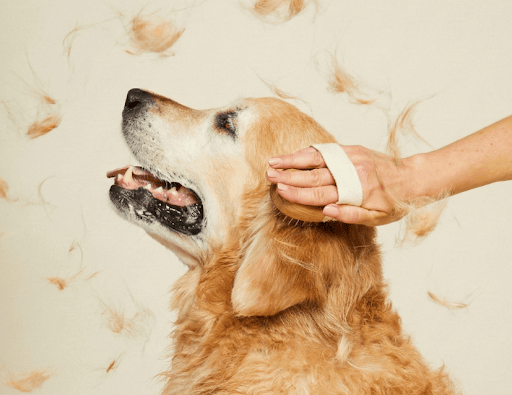
A Practical Guide to Helping Your Dog Lose Their Winter Coat
Every spring, many dog owners begin to notice a little more fur around the house than usual. As the weather warms up and the days get longer, dogs naturally start shedding their heavier winter coats. You might see a bit more hair on the couch, the floors, or your dog’s favorite lounging spots.
This seasonal shedding is completely normal and is simply part of your dog’s natural coat cycle. As temperatures rise, dogs gradually lose the extra insulation they needed during colder months.
With the right grooming routine and occasional help from professionals, spring shedding can be controlled and even minimized. If your dog is already starting to shed heavily, scheduling a grooming appointment can make a huge difference. You can reserve a grooming session here:
Why Do Dogs Shed More in Spring?
Dogs shed their winter coats for the same reason humans stop wearing heavy jackets when the weather warms up. Their bodies are preparing for the changing season.
Many dogs grow thicker coats during the colder months to help regulate body temperature. These coats often include a dense undercoat that acts as insulation. When spring arrives and temperatures rise, that thick coat is no longer necessary.
As the days get longer, your dog’s body begins to release the undercoat so a lighter coat can grow in for summer.
Dogs with double coats tend to shed the most dramatically. Breeds like Golden Retrievers, Huskies, German Shepherds, and Labrador Retrievers are known for shedding large amounts of undercoat during seasonal transitions.
Even short-haired dogs shed, although the hair may be less noticeable.
The important thing to understand is that shedding is not a sign that something is wrong. In most cases, it simply means your dog’s coat is adjusting to the changing seasons.
Recognizing the Signs of Seasonal Shedding
Spring shedding often happens gradually over several weeks. You might notice loose fur coming off easily when you pet your dog or brush them. Some dogs even begin dropping small clumps of undercoat around the house.
Other signs include increased hair on furniture, bedding, and clothing.
For many dog owners, the biggest change is how much hair comes out during brushing sessions. A brush that previously removed only a little fur may suddenly start pulling out large amounts of loose hair.
This is completely normal during seasonal coat changes.
However, if shedding is accompanied by redness, bald spots, or irritated skin, it may be worth speaking with a veterinarian. Those symptoms can sometimes indicate skin issues unrelated to seasonal shedding.
In most cases though, shedding simply means it is time to increase grooming frequency.
What Actually Helps Control Shedding?
One of the biggest misconceptions about shedding is that it can be stopped completely. In reality, shedding is a natural biological process.
What you can control is where the hair ends up.
When shedding fur is removed through brushing and grooming, it never has the chance to fall onto your floors or furniture.
Regular coat maintenance is the key.
Consistent brushing, bathing, and professional grooming can dramatically reduce how much loose fur ends up in your home while also keeping your dog’s coat healthy.
At Bowie, our grooming products, expert team, and dog-friendly space are designed to turn every visit into a stress-free, feel-good bonding moment. Visit today!
Why Brushing Is the First Step to Managing Shedding
Brushing is the single most effective thing dog owners can do to control shedding.
During spring, brushing several times a week can make a noticeable difference. Brushing removes loose hair that would otherwise fall out naturally around the house.
It also distributes the natural oils in your dog’s coat, which helps keep fur healthy and shiny.
Different brushes work best for different coat types. Slicker brushes help remove loose fur from longer coats. Undercoat rakes are designed specifically to pull out shedding undercoat. Rubber brushes work well for short haired breeds.
Even just a few minutes of brushing each day can prevent a surprising amount of fur from spreading around your home.
How Bathing Helps Remove Loose Fur
Bathing can also play an important role in managing shedding.
Warm water helps loosen dead hair trapped within the coat. When combined with brushing afterward, bathing can remove large amounts of loose fur all at once. A gentle shampoo formulated for dogs helps clean the coat while maintaining healthy skin.
However, bathing alone does not remove all shedding fur. This is where professional grooming can be especially helpful. Professional groomers use specialized drying equipment and deshedding tools that loosen and remove undercoat far more efficiently than home grooming alone.
If shedding season is already underway, scheduling a professional grooming session can remove weeks of loose hair in a single appointment.
You can explore grooming services and pricing available at Bowie Barker, here.
Why Professional Grooming Makes a Big Difference
While home brushing helps, professional grooming often produces the biggest results during shedding season.
Professional groomers are trained to remove undercoat safely without damaging the top coat. They also use high-velocity dryers that help blow loose fur out of the coat after bathing.
The combination of bathing, drying, and deshedding tools can remove significant amounts of loose hair that would otherwise continue shedding throughout your home.
At Bowie Barker, grooming services focus on both coat health and comfort for the dog. Removing excess undercoat allows air to circulate through the coat and helps prevent matting while keeping dogs cooler as the weather warms up.
If your dog is starting to shed heavily, it may be the perfect time to book a grooming appointment.
Reserve your spot here!
Maintaining a Consistent Grooming Routine
Shedding season is easier to manage when grooming is consistent rather than reactive.
Dogs that receive regular grooming throughout the year typically shed more evenly and comfortably. Instead of releasing large bursts of fur all at once, their coats stay balanced and healthy.
Many dog owners find that grooming every four to six weeks works well.
Some customers prefer membership programs that make regular grooming easier to maintain.
Bowie Barker is your partner in keeping your dog looking and feeling their best. Our range of grooming services and convenient self-dog wash options, coupled with the ease of our app for booking and information, are designed to make pet care simpler and more enjoyable. We believe that a clean and healthy dog contributes to a happier home and experience the Bowie Barker difference!
Regular grooming appointments not only help manage shedding but also support overall skin and coat health.
Why Nutrition Matters for Shedding
Healthy coats start with proper nutrition.
A balanced diet provides the nutrients dogs need to maintain strong hair follicles and healthy skin. Omega-3 fatty acids in particular are often recommended to support coat health.
According to the American Kennel Club, omega-3 fatty acids can support healthy skin and reduce excessive shedding in some dogs.
Hydration also plays a role. Dogs that stay well hydrated tend to have healthier skin, which can reduce dryness and coat problems.
While diet alone will not stop seasonal shedding, it can support healthier coat cycles.
Preparing for Shedding Before It Starts
One of the best ways to manage spring shedding is to start grooming before shedding reaches its peak.
Increasing brushing frequency and scheduling grooming appointments early can prevent heavy shedding bursts later in the season.
Removing loose undercoat gradually keeps your dog comfortable and prevents large amounts of fur from accumulating in your home.
You can also follow grooming tips and seasonal updates on the Bowie Barker Instagram.
Helping Your Dog Stay Comfortable During Seasonal Coat Changes
Shedding can feel messy, but it is ultimately a healthy sign that your dog’s body is adjusting to seasonal changes.
With the right grooming routine, shedding becomes much easier to manage.
Regular brushing, occasional baths, and professional grooming sessions can dramatically reduce loose fur while keeping your dog comfortable.
At Bowie Barker, grooming is designed to support healthy coats and happy dogs year-round.
If your dog is starting to shed their winter coat, now is the perfect time to schedule a grooming appointment.
Book your grooming visit here:
You can also explore more grooming advice and seasonal care tips on the Bowie Barker blog!
Frequently Asked Questions About Spring Dog Shedding
Why do dogs shed more during spring?
Dogs shed more in spring because their bodies respond to changes in daylight and temperature. As the weather warms up, the heavy winter undercoat begins to fall out, so a lighter summer coat can grow in.
Can grooming reduce shedding?
Grooming cannot stop shedding completely, but it removes loose hair before it falls out around the home. Regular brushing and professional grooming can significantly reduce the amount of fur that accumulates indoors.
How often should dogs be groomed during shedding season?
Many dogs benefit from grooming every four to six weeks during seasonal shedding periods. Dogs with thick double coats may benefit from more frequent grooming appointments.
Are some dog breeds heavier shedders?
Yes. Breeds with double coats, such as Golden Retrievers, Huskies, German Shepherds, and Labradors, tend to shed more during seasonal transitions.
Does professional grooming remove undercoat?
Professional groomers use specialized tools and drying techniques designed to safely remove loose undercoat. This helps reduce shedding and keeps coats healthy.