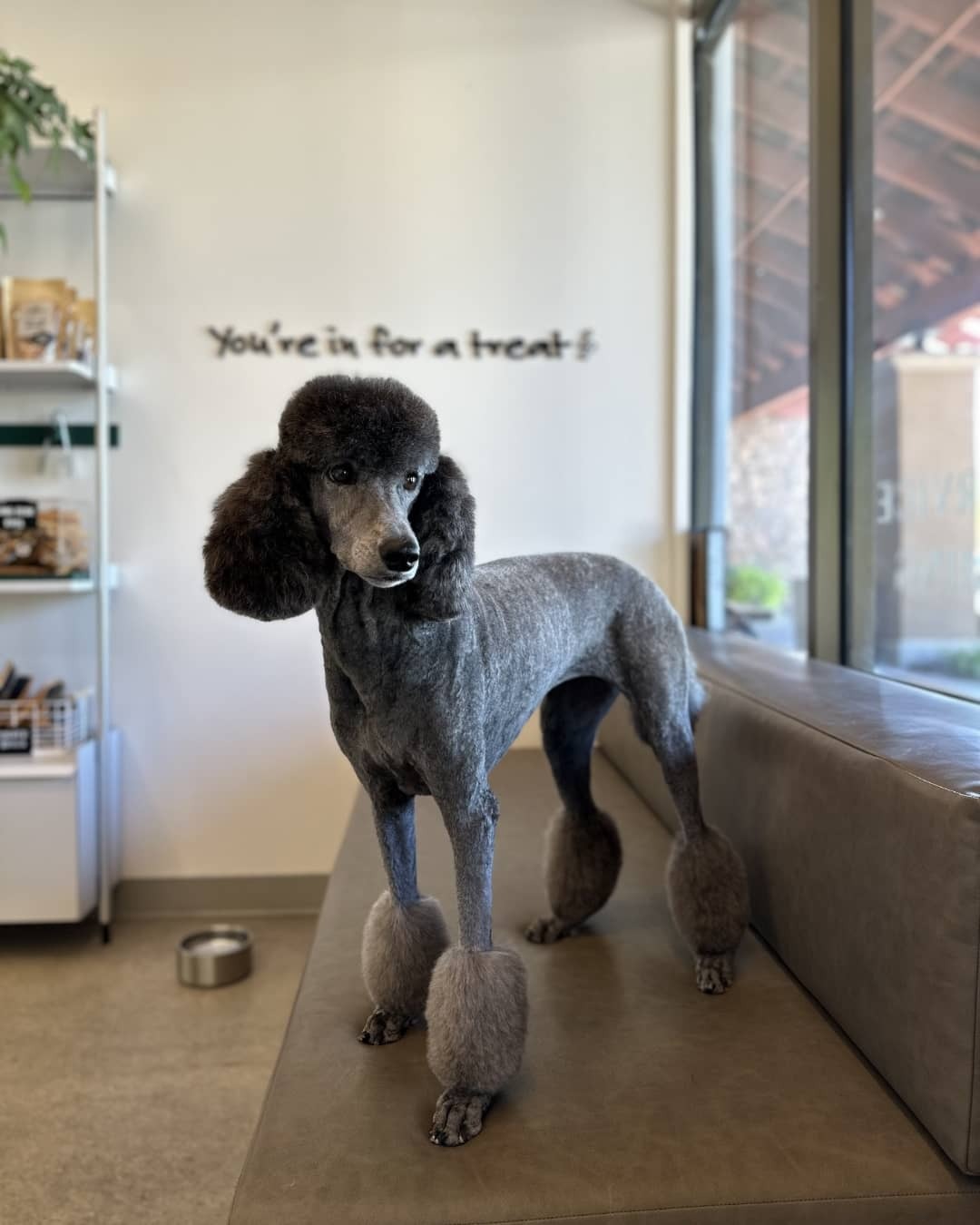
If you have ever lived with a senior dog, you know there is something different about them. They have settled into themselves in a way younger dogs have not yet figured out. They know your routines better than you do. They have their spot on the couch, their preferred pace on a walk, their particular way of letting you know what they need. The gray around their muzzle and eyes is not something to be sad about. It is just evidence of a life lived alongside you.
National Senior Dog Day on August 3rd exists to recognize that. It started as a way to draw attention to older dogs in shelters, who are routinely passed over in favor of puppies and younger dogs, despite having just as much love to give. It has grown into something broader: a day to celebrate the senior dogs already in our homes and to think seriously about what they need from us as they get older.
One of the most meaningful ways to honor an older dog is simply to pay closer attention. And one of the places that attention shows up most is grooming.
What Changes as Dogs Age
Around age seven, most dogs start to shift. Large breeds often get there sooner. The changes are gradual, easy to miss if you are not looking for them, but they are real.
The coat gets coarser or thinner in patches. The overall shine can dull even in a healthy dog. Skin becomes drier and more sensitive. Matting happens faster, especially in the spots that get compressed during sleep: behind the ears, around the collar, under the legs. Nails grow at the same rate but wear down less because older dogs tend to move less. On a dog with stiff joints or early arthritis, overgrown nails affect posture and make movement harder.
None of this is alarming on its own. It is just what happens in an aging body, and knowing it means you can respond to it.
Why Grooming Matters More, Not Less
There is a temptation to ease up on grooming with an older dog. They seem more fragile. They stand still less patiently than they used to. It can feel kinder to do less. But the opposite is usually true.
Regular grooming for a senior dog is less about how they look and more about how they feel and what you can catch early. A good groomer who knows your dog will notice skin changes, new lumps, coat thinning, and ear issues that might not be obvious at home. Matting causes real discomfort against sensitive aging skin. Overgrown nails throw off gait and add pressure to joints that are already working harder. A clean, well-maintained coat holds less moisture and bacteria, which matters more as skin becomes more fragile.
Keeping up with grooming is one of the most practical things you can do for a senior dog's daily comfort.
What Senior Dogs Need from a Groomer
Not every grooming environment suits an older dog. When you are choosing where to bring a senior, a few things matter more than they would for a younger one.
Patience is at the top of the list. Senior dogs take longer. They may need breaks. They may have less tolerance for noise or extended standing. A groomer who rushes is not the right fit.
Communication is just as important. A groomer who treats the appointment as an opportunity to observe and report back is more valuable for an older dog than one who is focused only on the service itself. You want someone who will tell you if something looked off, not just hand the leash back and move on.
Environment matters too. A calmer, less chaotic space is easier on an older dog. High stimulation is harder on senior dogs than it is on younger ones, and a stressed dog is not going to be comfortable or cooperative during the process.
How Bowie Barker Approaches Senior Dogs
The team at Bowie Barker starts every appointment with a conversation about your dog. What they need, how they typically respond, anything going on that the groomer should know about. For a senior dog, that intake matters more. A groomer who knows going in that a dog has hip stiffness or skin sensitivity can adjust their approach before the appointment even starts.
They will also tell you what they noticed. If something looked different from last time, if there is an area worth having your vet take a look at, if the coat or skin has changed, they will flag it. For owners of older dogs, that kind of observation becomes part of why you keep coming back.
You can book your senior dog's next appointment here and let the team know upfront what your dog needs.
The Self-Serve Option for Owners Who Want to Stay Close
Some senior dog owners prefer to be present for the bath. Whether it is because the dog does better with a familiar face, or because you simply want to stay involved in their care, the self-serve wash stations at Bowie Barker give you that option.
The raised tubs make it easier to support a larger or less mobile dog without straining your own back. The professional dryers do a proper job, and a thorough dry is better for aging skin than air drying, which leaves moisture sitting longer. All supplies are included. You bring the dog, handle the bath yourself, and have the right setup around you.
If your dog does better with a familiar person nearby but also needs professional grooming, the team can help figure out what makes the most sense.
A Note on Membership for Senior Dog Owners
Senior dogs tend to need more consistent grooming than younger dogs, and consistency matters as much as frequency. A dog on a regular schedule has less matting, better coat condition, and a groomer who gets to know them over time. That familiarity is genuinely helpful for a dog that may be slower to warm up.
The Bowie Barker membership starts at $20 per month and includes unlimited self-serve wash access and savings on grooming services. For a senior dog who needs regular care, it makes the routine easier to keep.
Senior Dog Day is a good reason to slow down and think about what your older dog actually needs right now, not what they needed a few years ago. They have given you a lot. Paying that kind of attention back is a pretty good way to show it.
You can follow along on Instagram at @bowiebarker and find more care guidance on the Bowie Barker blog.
Frequently Asked Questions About Grooming Senior Dogs
How often should a senior dog be groomed?
Most senior dogs benefit from professional grooming every four to six weeks, depending on coat type. Dogs with longer or denser coats may need more frequent visits to prevent matting. Regular grooming also gives groomers the chance to notice changes in skin, coat, and overall condition that are worth monitoring as a dog gets older.
Is grooming stressful for older dogs?
It can be if the environment is chaotic or the groomer moves too fast. Senior dogs do better in calmer settings with patient, communicative groomers who adjust to the dog's needs. Letting your groomer know upfront about your dog's age, temperament, and any physical limitations helps the appointment go more smoothly.
What should I tell my groomer about my senior dog?
Share anything relevant: joint issues, skin sensitivity, anxiety triggers, areas where they are uncomfortable being handled, any lumps or growths the vet already knows about, and how they typically respond to grooming. The more context the groomer has going in, the better.
Can senior dogs use self-serve wash stations?
Yes, as long as they can stand comfortably for the bath. The raised tubs at Bowie Barker make it easier to support a larger or less mobile dog throughout the process. If your dog has significant mobility limitations, a professional groomer may be better equipped to keep them comfortable and stable.
What coat changes are normal in senior dogs?
Coarser or thinner patches, overall dullness, faster matting, and dry or flaky skin are all common as dogs age. These changes are normal but do call for adjustments in grooming frequency and approach. A groomer with experience handling senior dogs will work with what your dog's coat needs now rather than applying the same approach they would to a younger dog.
Does grooming help with a senior dog's comfort?
Yes. Overgrown nails affect gait and add strain to joints that are already under more pressure. Matting causes irritation against sensitive skin. Regular grooming keeps the coat and skin in better condition, which has a real effect on how a senior dog feels day to day. It is maintenance more than it is cosmetic.